What Is The Difference Between Omnichannel And Multichannel? Which Strategy Is Right For Your Business?
Many people struggle to tell the difference between omnichannel and multichannel, often thinking they are one and the same.
While both involve engaging customers across multiple platforms, the execution and impact on customer experience are very different.
Choosing the right approach is key to a seamless customer journey, operational efficiency and business growth. A misaligned approach can mean fragmented communication, inconsistent branding and missed revenue opportunities.
In this post we’ll break down the key differences between omnichannel and multichannel, focusing on customer experience, channel integration and operational efficiency.
Multichannel And Omnichannel Strategies
To know which strategy is right for your business you need to first define what multichannel and omnichannel mean and how they work.
What Is Multichannel Strategy?
A multichannel strategy is when businesses use multiple channels—social media, email, websites, physical stores—to interact with customers. But these channels often operate independently, meaning there is no integration between them.
- Each channel has its own strategy.
- Customers can interact with a business on different platforms but will experience inconsistencies in service, branding or messaging.
- Focus is on reach by making the brand available across multiple touchpoints.
Examples of Multichannel Marketing:
- A retail store with a website and social media presence but no syncing of promotions, inventory or customer data across these platforms.
- A restaurant that allows customers to order through its app, website and in-store but no unifying of customer preferences or loyalty programs.
- A business that sends marketing emails and runs ads on social media but doesn’t personalise content based on past interactions.
What Is Omnichannel Strategy? 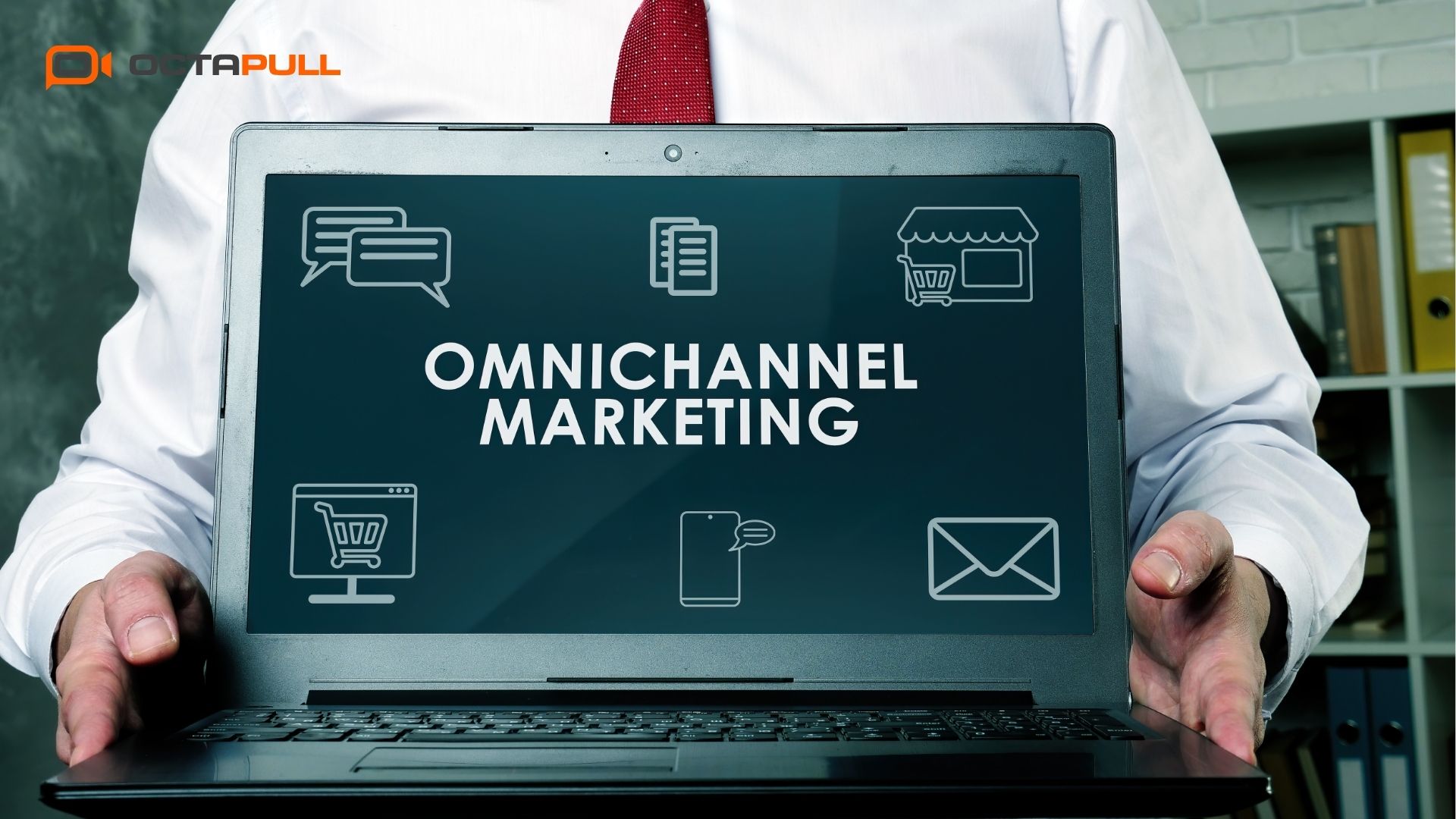
An omnichannel strategy goes a step further and fully integrates all customer touchpoints. This means whether a customer interacts through social media, email, in-store or a mobile app their experience is seamless, personalized and consistent across all platforms.
- Customer centric approach that focuses on a unified experience.
- All channels work together so customer data, preferences and interactions are synchronized.
- Removes friction in the buying journey.
Examples of Omnichannel Marketing:
- A clothing brand that lets customers check inventory online, reserve an item and pick it up in-store with personalized recommendations based on their purchase history.
- A bank where customers can start a loan application on a website, continue the process in a mobile app and finalize it in-branch without repeating information.
- A coffee chain with a rewards program that tracks purchases across app orders, in-store visits and online purchases so customers get consistent promotions and loyalty rewards.
Core Differences Between Omnichannel and Multichannel
While both involve multiple channels, the way they interact and impact the customer experience is what sets them apart. Here’s a breakdown of their key differences:
1. Customer Experience
- Multichannel: Each channel operates independently, customers may get different experiences depending on where they interact. For example a customer might see a promotion on social media but not find it in the physical store.
- Omnichannel: The customer journey is seamless and connected across all touchpoints. A customer can add an item to their cart on a website, get a reminder via email and complete the purchase through a mobile app without losing progress.
2. Channel Integration
- Multichannel: Channels function separately with little to no interaction. Data from one channel (e.g. an email campaign) may not be linked to another (e.g. in-store purchases) creating gaps in customer insights.
- Omnichannel: All channels are fully integrated, so smooth transitions. A customer who reaches out via chatbot can switch to a phone call with customer support without repeating their issue thanks to shared data across platforms.
3. Operational Efficiency
- Multichannel: Easier to implement as it requires less backend integration. But managing separate platforms can create inconsistencies and inefficiencies such as duplicate efforts or fragmented customer data.
- Omnichannel: More complex to set up as it requires unified technology and data synchronization. But it enhances overall efficiency by providing better customer insights, personalized interactions and improved retention.
Pros And Cons Of Omnichannel and Multichanel Strategies 
Both multichannel and omnichannel strategies have their pros and cons. Choosing the right approach depends on your business goals, resources and customer expectations.
Multichannel Strategy
Pros:
- Easier to implement: No complex integrations required, so suitable for smaller businesses.
- Expands customer reach: Engages customers across multiple platforms, more visibility.
- Flexible and scalable: Add new channels as you grow without full integration.
Cons:
- Inconsistent customer experience: Channels operate separately, branding, messaging and service may vary across platforms.
- Limited customer insights: Harder to track interactions across different channels, personalization harder.
- Potential inefficiencies: Managing separate channels can lead to duplicated efforts and fragmented communication.
Omnichannel Strategy
Pros:
- Seamless customer journey: Smooth transitions between channels, reduces friction in the buying process.
- Boosts customer loyalty: Unified experience strengthens brand trust and encourages repeat business.
- Data-driven personalization: Integrated channels allow businesses to track customer behavior and tailor interactions.
Cons:
- Requires advanced technology: CRM systems, data synchronization and automation tools.
- Higher initial investment: Setting up an omnichannel strategy requires time, effort and financial resources for integration and maintenance.
Which Strategy Is Right For Your Business?
Choosing between multichannel and omnichannel depends on several factors, including your industry, customer behavior, technological capabilities and long term business goals. Here’s how to decide:
1. Consider Your Industry
- Retail & E-Commerce: Omnichannel is usually the way to go, customers expect a seamless experience across online and in-store shopping.
- B2B Services: Multichannel might be enough, businesses often engage clients through separate email campaigns, webinars and direct sales.
- Hospitality & Travel: Omnichannel is good for integrating booking platforms, customer support and personalized experiences.
2. Understand Your Customer Behavior
Do your customers interact with multiple channels before making a purchase?
- Yes → Omnichannel (e.g. a customer browses online, reads reviews and then visits the store).
- No → Multichannel (e.g. customers directly engage through a single preferred channel).
3. Evaluate Your Business Resources & Technology
- Multichannel is ideal if you have limited resources and need a simpler setup.
- Omnichannel requires investment in CRM systems, data integration and automation tools but pays off in customer retention and efficiency.
4. Growth Objectives & Long-Term Vision
- If your goal is short term sales and reach, multichannel might work.
- If you’re focused on brand loyalty, repeat customers and personalized engagement, omnichannel is a better long term investment.
Conclusion
Choosing the right strategy (multichannel or omnichannel) makes a big difference in customer experience and growth. While multichannel is quick and flexible to engage customers across platforms, omnichannel ensures a seamless experience that builds loyalty and retention.
To stay ahead, businesses should consider industry, customer behavior, technology and long term goals.
Use Octapull SFA For Your Business!
In today’s data-driven world, SFA is a must for businesses. Octapull SFA allows you to centralize and analyze sales data, automate tasks, and personalize customer interactions so teams can make better, faster, and more informed decisions.
Ready to take your sales to the next level? See how Octapull SFA can help you transform your sales operations and get the most out of your team.
Click here to request a demo with our product team and learn more about Octapull SFA!